
Selecting the right crane for a construction or industrial project is crucial for efficiency, safety, and cost-effectiveness. Cranes play a vital role in lifting and moving heavy materials, but choosing the wrong type can lead to delays, increased costs, or even serious accidents.
Whether you are managing a small construction site or a large industrial project, understanding the key factors involved in crane selection is essential. This guide will help you choose the right crane for your project with confidence.
Understand Your Project Requirements
The first step in choosing the right crane is understanding the specific needs of your project. Carefully assess the following factors:
-
Type of materials
Are you lifting steel beams, concrete blocks, or heavy machinery? The weight and size of the materials will directly influence the crane type you need. -
Project scale
Large construction sites may require heavy-duty cranes with higher lifting capacities, while smaller projects may only need compact or mobile cranes. -
Lifting height
Determine the maximum height your crane must reach. Tower cranes are ideal for high-rise construction, while mobile cranes are better suited for medium to low-height lifts. -
Project duration
Short-term projects often benefit from crane rental, while long-term projects may justify purchasing a crane.
By clearly defining these requirements, you can narrow your options and avoid unnecessary expenses.
Know the Types of Cranes
Cranes come in various types, each designed for specific applications. Understanding these differences will help you make the right choice.
-
Mobile Cranes
These cranes are versatile and easy to move around the site. They are ideal for projects that require flexibility and quick setup. Mobile cranes include truck-mounted, rough-terrain, and all-terrain models. -
Tower Cranes
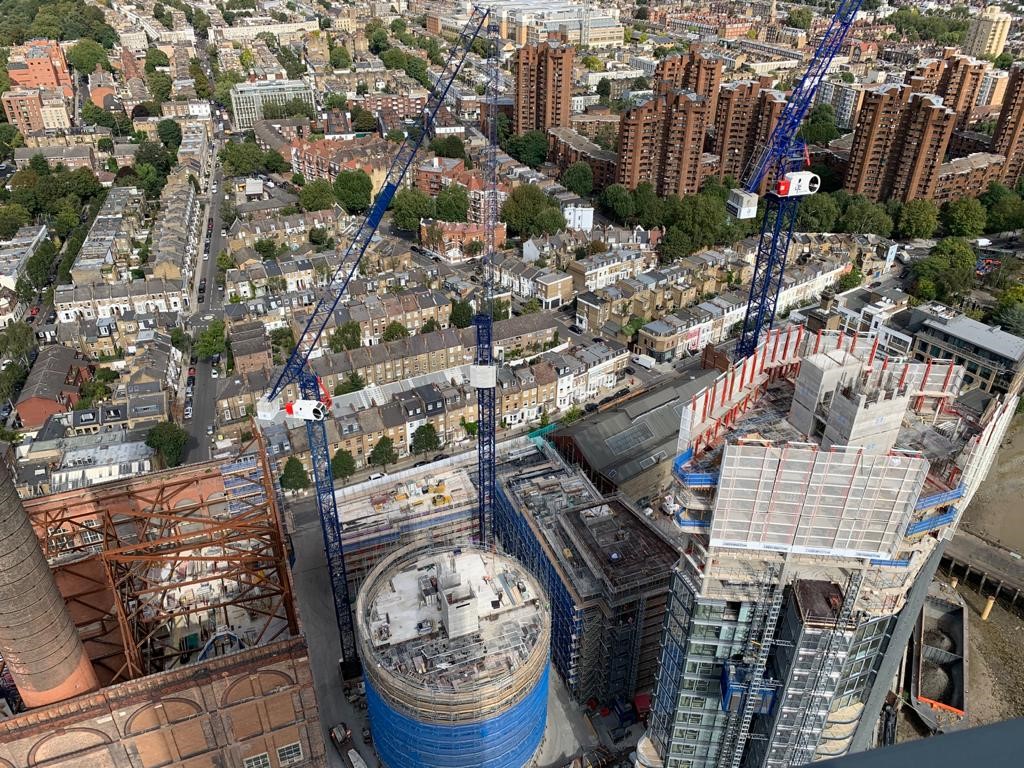
Commonly used for high-rise buildings and large construction projects, tower cranes offer excellent height and lifting capacity. They are fixed in place and ideal for long-term projects. -
Crawler Cranes
Equipped with tracks instead of wheels, crawler cranes provide excellent stability on uneven or soft ground. They are suitable for heavy lifting over extended periods. -
Overhead Cranes
Typically used in factories and warehouses, overhead cranes operate on fixed tracks and are ideal for indoor material handling. -
Specialised Cranes
Some projects require specialised cranes, such as floating cranes for marine construction or telescopic cranes for sites with limited space.
Choosing the correct crane type ensures efficiency and safety throughout your project.
Consider Lifting Capacity and Reach
Every crane has a maximum lifting capacity and reach. Selecting a crane that can safely handle your loads is critical.
-
Lifting capacity
Always identify the heaviest load you expect to lift and include a safety margin of at least 10–20%. -
Boom length and height
Ensure the crane can reach the required height and distance to position materials accurately.
Using a crane with insufficient capacity can lead to equipment damage and accidents, while an oversized crane may increase costs unnecessarily.
Assess Site Conditions
The conditions at your project site play a major role in crane selection. Consider the following:
-
Ground stability
Soft or uneven ground may require crawler cranes or additional ground support. -
Access space
Mobile cranes need sufficient space to manoeuvre, while tower cranes require a solid foundation and clear installation area. -
Obstacles
Nearby buildings, power lines, and structures may restrict crane movement. Accurate site measurements help prevent unexpected issues.
Proper site assessment ensures smooth and safe crane operations.
Evaluate Budget and Costs
Cranes represent a significant investment, whether rented or purchased. Your budget should account for:
-
Purchase cost
Buying a crane is a long-term investment suitable for companies with frequent lifting needs. -
Rental cost
Hiring a crane is more cost-effective for short-term or occasional projects. -
Operating costs
Fuel, maintenance, inspections, and operator wages must be included in your calculations. -
Setup and dismantling costs
Some cranes, such as tower cranes, require complex installation and removal, which can increase overall project costs.
Balancing your budget with project requirements helps you choose the most cost-effective option.
Safety and Compliance
Safety should always be a top priority when selecting a crane. Ensure the crane meets all local safety regulations and industry standards.
Key safety considerations include:
-
Operator certification
Operators must be trained and licensed to operate the specific type of crane. -
Maintenance records
Well-maintained cranes reduce the risk of breakdowns and accidents. -
Safety features
Modern cranes include load indicators, anti-collision systems, and emergency braking mechanisms.
Choosing a compliant crane protects workers and reduces legal and financial risks.
Work with Experts
If you are unsure which crane is best for your project, consult crane hire companies, equipment suppliers, or project engineers. Experienced professionals can assess your requirements and recommend the most suitable crane type, size, and configuration.
Expert advice can help you avoid costly mistakes and ensure smooth project execution.
Conclusion
Choosing the right crane for your project requires careful planning, a clear understanding of project requirements, knowledge of crane types, and consideration of site conditions, budget, and safety standards.
By following these guidelines, you can select a crane that improves efficiency, enhances safety, and delivers cost-effective results. The right crane can make a significant difference to the success of your construction or industrial project, so take the time to make an informed decision.