
Construction sites today look completely different from how they appeared decades ago. Tall skyscrapers, massive bridges, and modern infrastructure projects are only possible because of one key machine — the construction crane. Whether you are a contractor, engineer, or simply curious about how cranes work, understanding them helps you appreciate their importance in the construction industry.
A construction crane is a powerful piece of machinery designed to lift, move, and position heavy materials at heights and distances that human labour cannot achieve. From steel beams and concrete blocks to large tools and prefabricated components, cranes significantly improve productivity, efficiency, and safety on job sites.
This guide explains what a construction crane is, the different types used today, how they work, their benefits, and the essential safety measures every site must follow.
What Is a Construction Crane?
A construction crane is a tall, heavy-duty machine equipped with booms, hooks, cables, and pulleys used for lifting and moving heavy loads. They are essential for building high-rise structures, large commercial buildings, and critical infrastructure such as bridges, railways, and highways.
Depending on the model, cranes may be fixed to the ground, travel around a site, or even be mounted on a building. Their advanced design allows operators to move loads with precise control—especially important in tight or complex spaces.
Types of Construction Cranes
Construction cranes come in various types, each suited for different job conditions and lifting requirements. Below are the most commonly used cranes in the construction industry:
1. Tower Crane
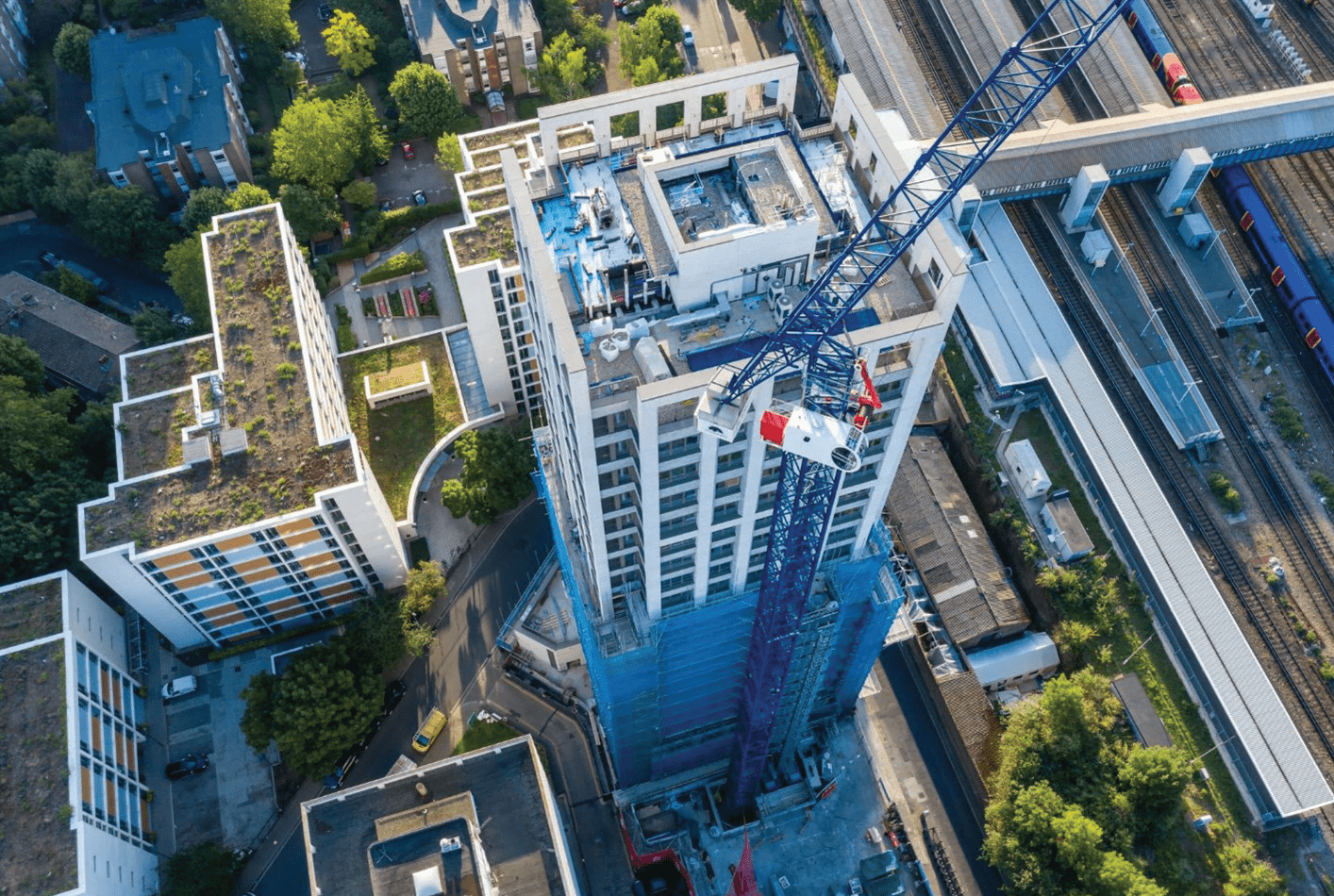
Tower cranes are the most recognizable cranes on city skylines. They are commonly used for high-rise construction because they offer:
- Very high lifting capability
- A long horizontal jib for wide-area coverage
- Excellent stability due to a concrete base
Tower cranes can lift extremely heavy materials like steel frames and concrete panels to great heights.
2. Mobile Crane
Mobile cranes are mounted on trucks or crawlers, making them easy to transport between job sites. They are ideal for:
- Short-term lifting work
- Urban construction areas
- Projects with limited access or space
They are flexible, fast to set up, and require less installation time than tower cranes.
3. Crawler Crane
Crawler cranes run on tracks instead of wheels, giving them excellent stability on soft or uneven ground. They are best suited for:
- Heavy lifting
- Large infrastructure projects
- Long-term construction work
The tracks distribute the crane’s weight to prevent sinking into the soil.
4. Overhead Crane
Also known as bridge cranes, these cranes operate on rails inside industrial buildings or warehouses. They are used for:
- Manufacturing and assembly plants
- Shipyards
- Industrial material handling
They move loads horizontally along beams for precise and controlled lifting.
5. Rough Terrain Crane
Built for off-road conditions, rough terrain cranes feature large, heavy-duty tyres and powerful engines. They are ideal for:
- Oil & gas sites
- Remote or uneven construction areas
- Rocky or mountainous regions
These cranes provide stability even on challenging ground surfaces.
6. Floating Crane
Floating cranes are mounted on barges and used for marine construction, including:
- Bridge building over water
- Port and harbour construction
- Offshore lifting operations
They can lift extremely heavy loads and access areas that land-based cranes cannot.
How Construction Cranes Work
Construction cranes operate using a combination of mechanical parts and advanced control systems. Key components include:
-
Hoist Mechanism
Uses wire ropes and drums to lift or lower loads. -
Slewing Unit
Allows the crane to rotate left or right. -
Jib or Boom
The long horizontal or angled arm used for lifting loads at a distance. -
Counterweights
Heavy blocks that balance the crane when lifting large loads. -
Operator Cabin
Where certified operators use joysticks, consoles, and digital controls to manage crane movements.
Modern cranes also use sensors, cameras, load monitors, and computer systems to enhance accuracy and safety.
Benefits of Using Construction Cranes
Construction cranes offer many advantages on job sites:
1. Increased Productivity
Cranes speed up lifting and material handling, reducing overall construction time.
2. Greater Lifting Capacity
They can lift loads that are far beyond human ability or smaller equipment capabilities.
3. Enhanced Safety
By reducing manual lifting, cranes help lower the risk of workplace injuries.
4. Cost Efficiency
Cranes streamline operations, reduce labour requirements, and minimize delays.
5. Versatility
With multiple types available, cranes can support nearly every construction challenge—from high-rise projects to offshore works.
Safety Tips for Crane Operations
Operating construction cranes requires strict safety procedures. Essential guidelines include:
- Only certified, trained operators should control cranes.
- Inspect the crane daily for any mechanical issues.
- Ensure ground stability before lifting loads.
- Never exceed the crane’s maximum load capacity.
- Keep a safe distance from power lines.
- Maintain clear communication between operators and ground crews.
- Stop operations during strong winds or unsafe weather.
Following these precautions helps prevent accidents and ensures smooth crane operations.
Conclusion
A construction crane is more than just a lifting machine — it is a vital component of modern construction. Whether building a skyscraper, bridge, or residential complex, cranes improve project efficiency, safety, and overall performance. With various types available, each designed for specific challenges, cranes make construction work faster, safer, and more precise.
Understanding crane types, uses, and safety guidelines helps contractors choose the right equipment and achieve better project results.