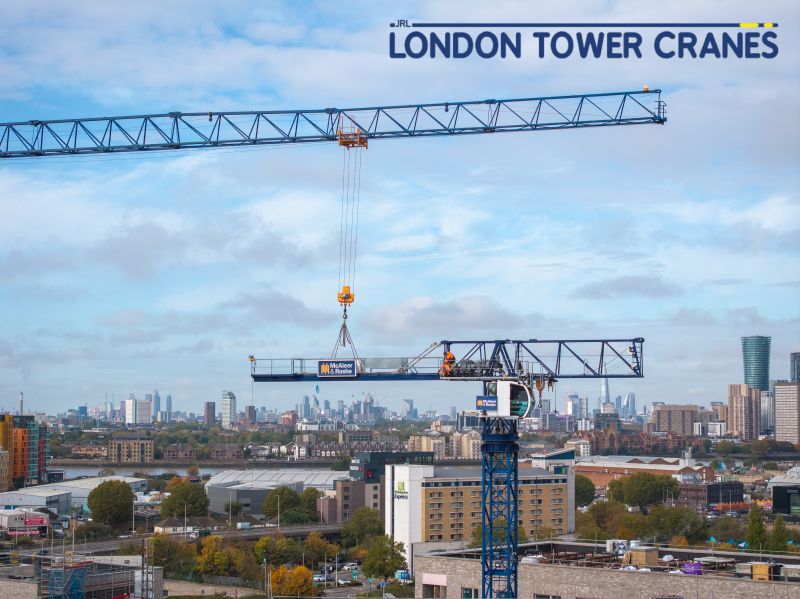
Infrastructure projects such as highways, bridges, flyovers, power plants, ports, railways, and high-rise developments require heavy lifting at almost every stage. From placing steel beams and concrete segments to installing machinery and precast components, cranes play a critical role in ensuring these tasks are completed safely, accurately, and on time. However, purchasing and maintaining cranes can be extremely expensive and impractical for many contractors. This is where crane rental for infrastructure projects becomes a smart, flexible, and cost-effective solution.
Why Cranes Are Essential in Infrastructure Projects
Infrastructure construction involves handling massive loads, working at great heights, and operating in complex environments. Cranes are designed to handle these challenges efficiently. They improve productivity, reduce manual labor, and significantly enhance safety on site. Whether it’s lifting bridge girders, installing wind turbine components, or moving heavy equipment at a construction site, cranes make complex operations manageable.
What Is Crane Rental?
Crane rental is a service where construction companies hire cranes for a specific duration instead of buying them. Rental providers offer a wide range of cranes, including mobile cranes, tower cranes, crawler cranes, rough terrain cranes, and all-terrain cranes. These services often include trained operators, maintenance support, transportation, and technical assistance, allowing contractors to focus on project execution rather than equipment management.
Key Benefits of Crane Rental for Infrastructure Projects
1. Cost Efficiency
Buying a crane requires a huge upfront investment, along with ongoing costs for storage, maintenance, insurance, and repairs. Renting eliminates these expenses. You pay only for the time and type of crane you need, making budgeting easier and more predictable.
2. Access to the Right Crane for Every Job
Different infrastructure projects require different types of cranes. A bridge project may need a crawler crane, while a high-rise building requires a tower crane. Crane rental companies offer a wide selection, ensuring you get the most suitable equipment for each task without compromise.
3. Professional Operators and Technical Support
Most crane rental services provide certified and experienced operators who understand safety regulations and complex lifting operations. This reduces the risk of accidents, improves efficiency, and ensures compliance with local safety standards.
4. Reduced Maintenance Responsibility
When you rent a crane, the rental company is responsible for maintenance, inspections, and repairs. This minimizes downtime and ensures the equipment is always in optimal working condition.
5. Flexibility and Scalability
Infrastructure projects often change in scope and timeline. Crane rental allows you to scale up or down easily by adding or returning equipment as project requirements evolve.
Types of Cranes Commonly Used in Infrastructure Projects
- Mobile Cranes: Ideal for general lifting tasks and projects that require frequent relocation
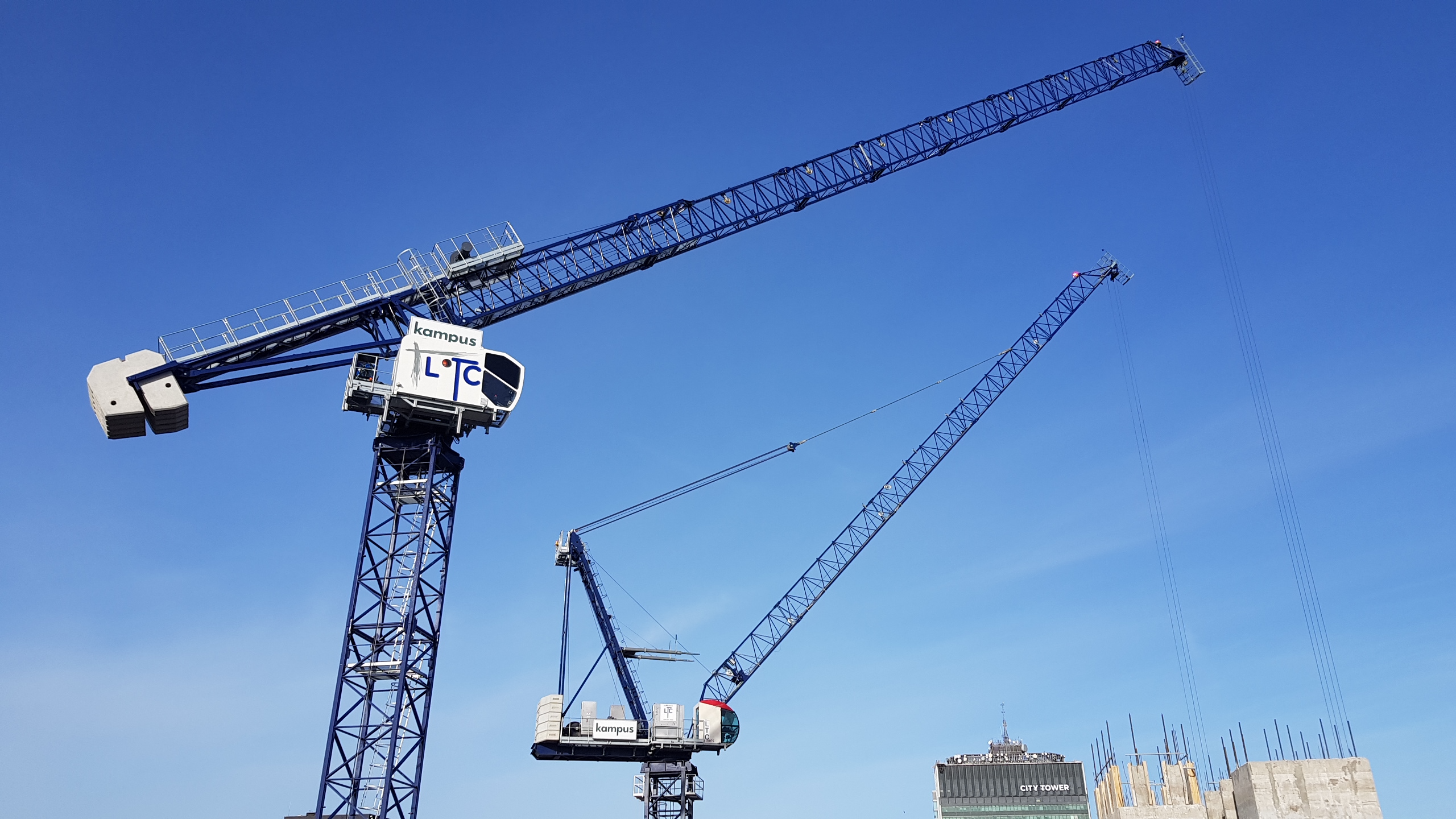
- Tower Cranes: Commonly used in high-rise construction and urban infrastructure projects
- Crawler Cranes: Suitable for heavy lifting on large-scale projects such as bridges and power plants
- All-Terrain Cranes: Designed to operate on both rough and paved surfaces, making them versatile for infrastructure sites
- Rough Terrain Cranes: Best for off-road and uneven construction areas
Safety and Compliance in Crane Rental
Safety is a top priority in infrastructure development. Reputable crane rental companies strictly follow safety standards, conduct regular equipment inspections, and provide trained operators. This ensures compliance with national and international regulations, reducing the risk of workplace accidents and project delays.
How to Choose the Right Crane Rental Company
When selecting a crane rental provider for your infrastructure project, consider the following factors:
- Experience in Infrastructure Projects: Choose a company with a proven track record in large-scale construction
- Equipment Variety and Condition: Ensure they offer modern, well-maintained cranes
- Certified Operators: Skilled operators are crucial for safe and efficient operations
- On-Time Delivery and Support: Reliable logistics and quick technical support can prevent costly delays
- Transparent Pricing: Clear rental terms and no hidden charges help with accurate budgeting
Crane Rental vs. Crane Ownership
For most infrastructure contractors, renting cranes is more practical than owning them. Ownership makes sense only for companies with continuous, long-term crane requirements. For project-based work, crane rental offers greater financial flexibility, access to the latest equipment, and lower operational risk.
The Role of Crane Rental in Modern Infrastructure Development
As infrastructure projects grow in scale and complexity, the demand for specialized lifting solutions continues to rise. Crane rental companies play a crucial role by providing advanced equipment, skilled manpower, and reliable support. This partnership helps contractors complete projects faster, safer, and more efficiently.
Conclusion
Crane rental for infrastructure projects is a smart choice that combines cost savings, flexibility, safety, and efficiency. By renting the right crane for the right job, construction companies can focus on delivering high-quality infrastructure without the burden of owning and maintaining heavy equipment. Whether it’s a bridge, highway, industrial plant, or urban development, crane rental services provide the strength and reliability needed to build the future.
Frequently Asked Questions (FAQs)
Q1: Is crane rental suitable for long-term infrastructure projects?
Yes, many rental companies offer flexible long-term rental plans tailored to large infrastructure projects.
Q2: Do crane rental services include operators?
Most reputable crane rental providers offer trained and certified operators as part of the rental package.
Q3: How do I know which crane is right for my project?
Crane rental companies usually provide technical consultation to help you select the most suitable crane based on load, height, and site conditions.
Q4: Is renting a crane safer than owning one?
Renting from a reliable company ensures access to well-maintained equipment and experienced operators, which often improves safety.
Q5: Can crane rental help reduce project delays?
Yes, timely availability of the right equipment and professional support helps keep infrastructure projects on schedule.