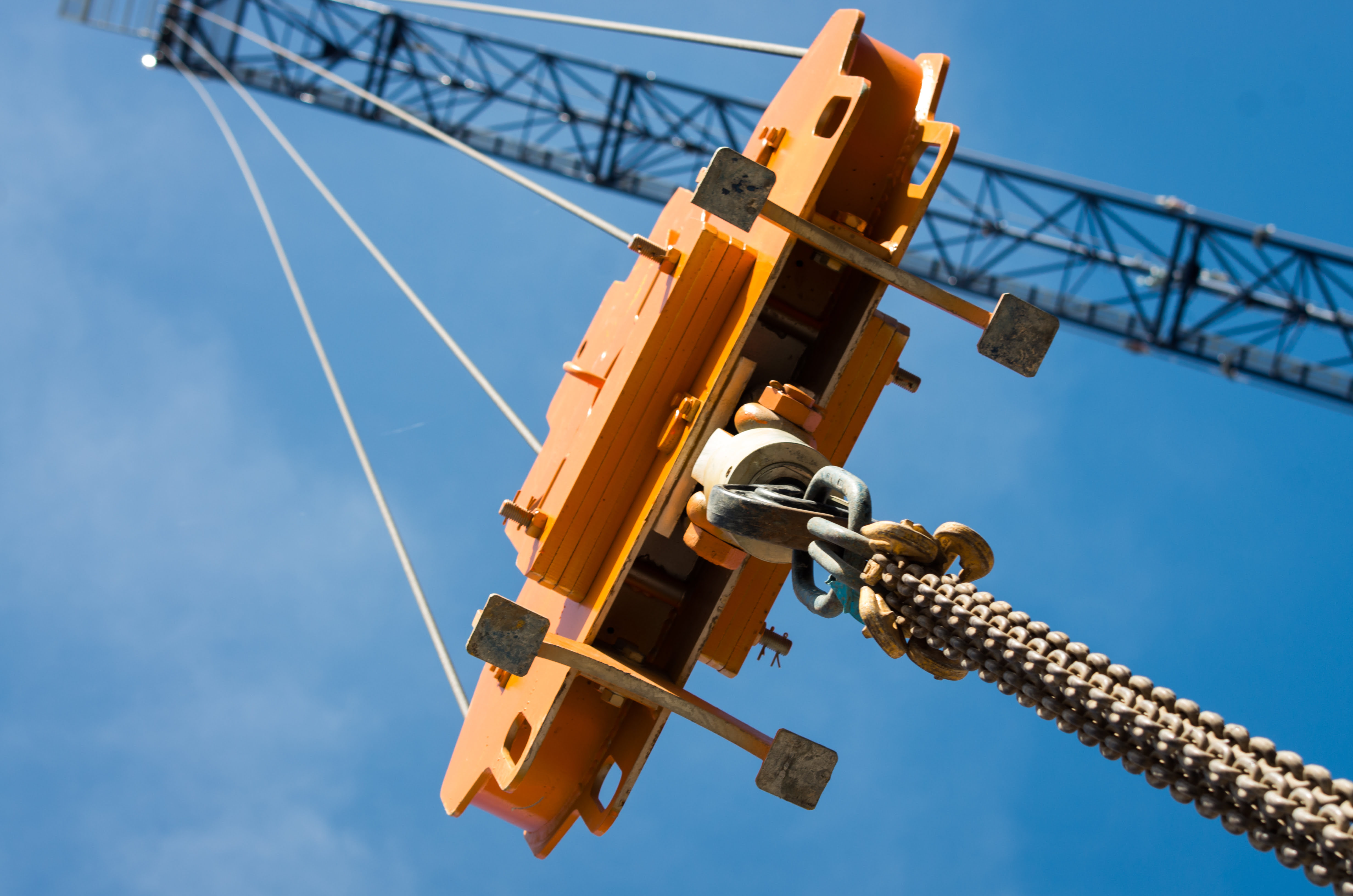
Tower cranes are essential machines used on construction sites to lift heavy materials to great heights. Whether it’s a commercial building, a high-rise project, or large infrastructure work, tower cranes make lifting operations safer, faster, and more efficient. However, installing a tower crane is a complex process that requires planning, expertise, and strict safety procedures.
This guide explains everything you need to know about tower crane installation, including the steps involved, safety requirements, and key factors that affect cost and installation time.
What Is Tower Crane Installation?
Tower crane installation is the process of assembling and setting up a tower crane at a construction site. Unlike mobile cranes, tower cranes arrive in separate parts and must be:
- Transported to the site
- Assembled section by section
- Secured to a foundation
- Tested and certified
Because of their size, weight, and height, tower cranes must be installed by trained professionals to protect workers, nearby structures, and the surrounding environment.
Why Proper Tower Crane Installation Is Important
1. Safety of Workers
Incorrect installation increases the risk of crane collapse, load falling, and major accidents. Following strict safety procedures helps protect everyone on-site.
2. Smooth Construction Operations
A correctly installed crane ensures efficient lifting operations, improving productivity and reducing labour time.
3. Maximum Stability
Tower cranes face strong winds, heavy loads, and long working hours. Proper installation ensures stability and long-term safe operation.
4. Compliance With Regulations
UK construction regulations require tower cranes to be installed and certified by authorised engineers. Proper installation ensures compliance with all legal safety standards.
Steps Involved in Tower Crane Installation
The exact installation method may vary depending on crane type and manufacturer, but the overall process generally includes the following steps:
1. Site Assessment and Planning
Before installation begins, engineers conduct a detailed site assessment. They examine:
- Soil condition and ground stability
- Space available for crane erection
- Nearby buildings, roads, and obstructions
- Wind exposure and local weather conditions
- Required lifting height and load capacity
After assessment, engineers prepare a suitable foundation plan.
2. Building the Foundation
The foundation is one of the most critical components of tower crane installation. It must support the crane’s height, weight, and heavy lifting operations.
The process includes:
- Excavating and preparing the ground
- Installing steel reinforcements
- Pouring high-strength concrete
- Allowing the foundation to cure properly
Once completed, the crane’s base section is securely anchored to the foundation.
3. Assembling the Mast Sections
The crane’s tower (mast) is built section by section. A mobile crane lifts each mast segment into position. Engineers then:
- Bolt the sections together
- Check alignment and levels
- Ensure the structure remains perfectly vertical
This process continues until the required initial height is reached.
4. Installing the Slewing Unit and Operator Cab
The slewing unit — which allows the crane to rotate — is lifted and installed on top of the mast.
The operator cab is also attached at this stage, providing the operator with full control of the crane.
5. Connecting the Jib and Counter-Jib
A tower crane has two main arms:
- Jib (Working Arm) – Lifts and moves loads
- Counter-Jib – Holds counterweights for balance
Both arms are lifted into position and attached to the slewing unit. Counterweights are added based on the manufacturer’s specifications.
6. Installing the Hoist System
The hoist system includes:
- Hoist rope
- Hook block
- Motors
- Lifting mechanisms
All components are installed and tested to ensure smooth lifting operations.
7. Electrical and Safety System Setup
Engineers connect the crane to a reliable power source. Safety systems such as:
- Limit switches
- Overload sensors
- Wind speed indicators
- Emergency stop systems
are installed and tested to ensure safe operation.
8. Testing and Certification
Once installation is complete:
- Load tests are performed
- Safety inspections are carried out
- All systems are checked by certified engineers
Only after passing all inspections is the crane approved and certified for use.
Safety Requirements for Tower Crane Installation
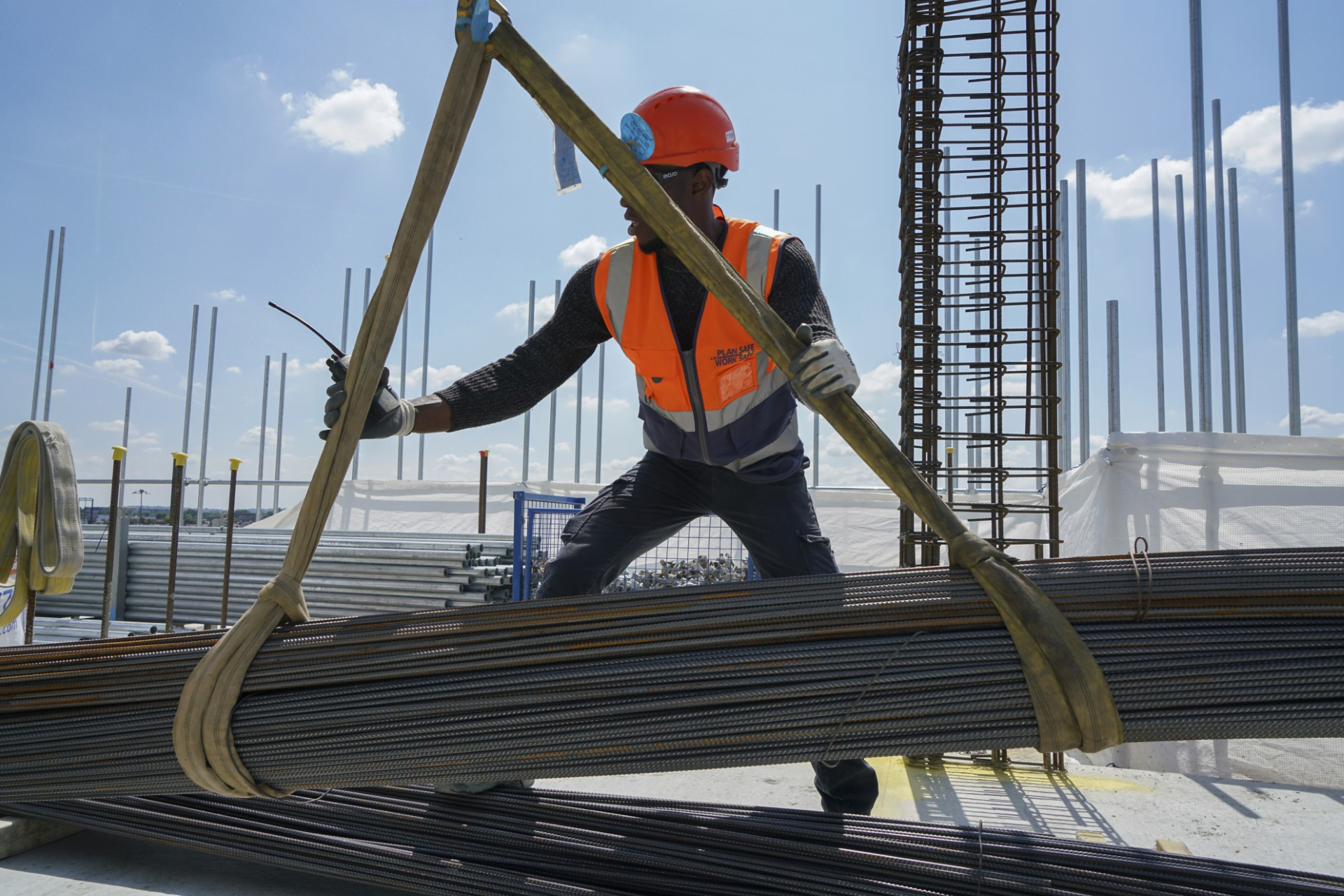
Safety is the highest priority when installing and operating a tower crane. Essential safety rules include:
- Only certified riggers and technicians should install the crane
- All workers must wear PPE (helmets, gloves, harnesses)
- Weather conditions must be monitored, especially wind
- Installation zones should be closed to unauthorised personnel
- Regular inspections should be conducted during and after installation
Following these precautions significantly reduces the risk of accidents.
Factors That Affect Tower Crane Installation Cost and Time
Several factors affect installation duration and cost, including:
- Crane height and size
- Ground and soil conditions
- Accessibility of the construction site
- Crane type (hammerhead, luffing, self-erecting)
- Weather conditions
- Testing and certification requirements
On average, tower crane installation may take 1–3 days, but larger cranes or complex sites may require more time.
Conclusion
Tower crane installation is a specialised process requiring expert planning, engineering precision, and strict safety standards. From site assessment and foundation work to mast assembly and certification, every step ensures the crane operates safely and efficiently.
When installed correctly, a tower crane becomes a powerful asset that enhances productivity, speeds up construction, and ensures safe lifting operations throughout the project.