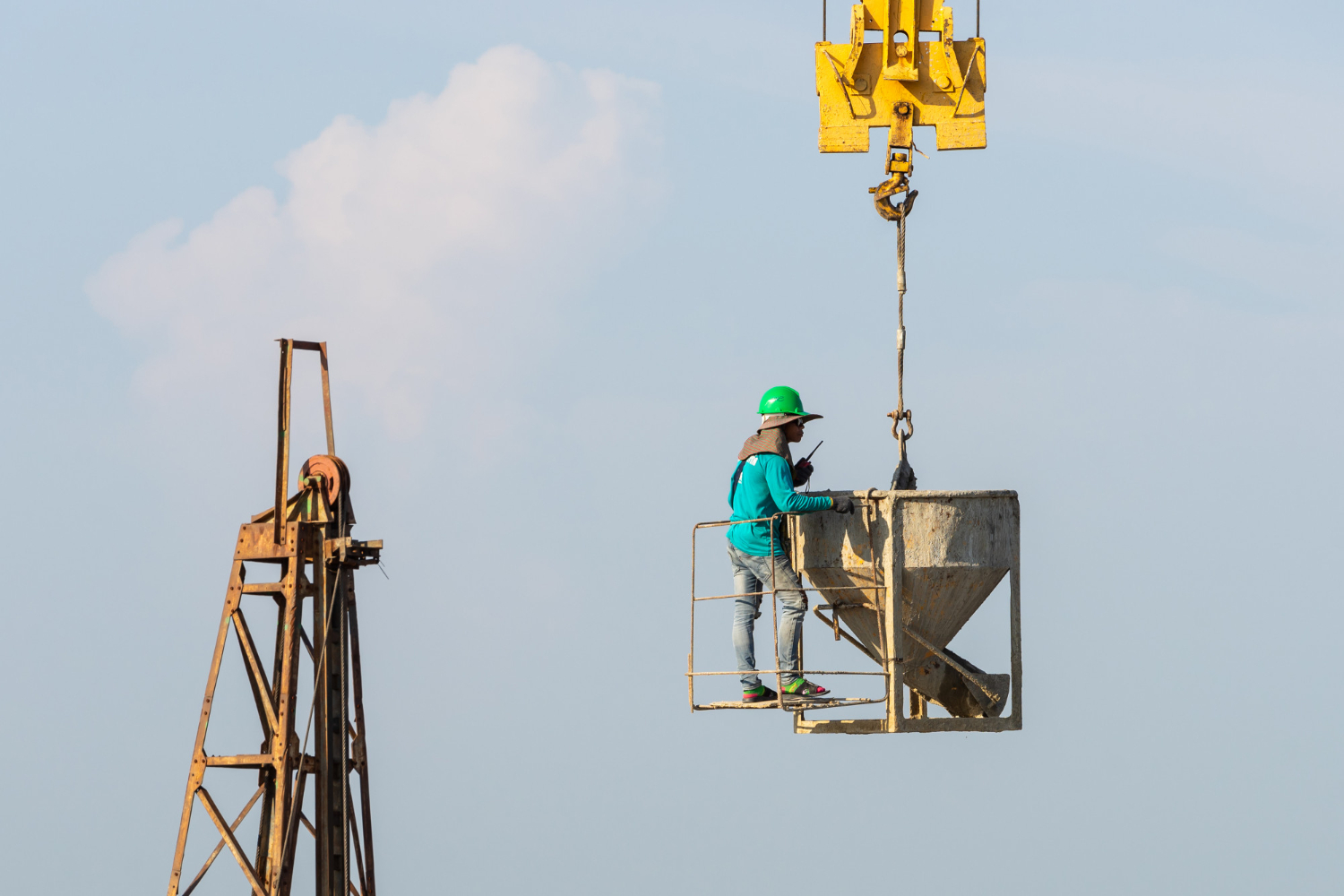
When it comes to lifting heavy objects safely without complex machinery, a manual lifting crane is one of the most practical and cost-effective solutions. These cranes are widely used in workshops, warehouses, construction sites, garages, and small industrial settings where electric or hydraulic cranes may not be necessary.
Easy to operate, affordable, and dependable, manual lifting cranes play a crucial role in everyday lifting tasks. In this article, we will explore what a manual lifting crane is, how it works, its benefits, common applications, and tips for choosing the right one.
What Is a Manual Lifting Crane?
A manual lifting crane is a mechanical device designed to lift, lower, and move heavy loads using human power rather than electricity or hydraulics. It typically uses a hand-operated mechanism such as a chain block, winch, or screw system to raise and lower loads.
Unlike automated cranes, manual lifting cranes rely on simple engineering principles, making them reliable and easy to maintain. They are especially useful in locations where power supply is limited or where precise, controlled lifting is required.
How Does a Manual Lifting Crane Work?
Manual lifting cranes operate using mechanical advantage. When an operator pulls a chain, turns a handle, or cranks a winch, the applied force is multiplied through gears or pulleys. This allows heavy loads to be lifted with minimal effort.
The main components usually include:
- Frame or jib – Supports the structure of the crane
- Lifting mechanism – Chain hoist, winch, or screw system
- Hook or lifting point – Holds the load securely
- Base or wheels – Provides stability and mobility
Because everything is manually controlled, the operator has excellent control over lifting speed and positioning.
Types of Manual Lifting Cranes
1. Manual Jib Crane
Commonly used in workshops and factories, this crane has a rotating arm that allows loads to be lifted and moved within a defined radius.
2. Manual Gantry Crane
This portable crane consists of two vertical legs and a horizontal beam. It is ideal for lifting engines, machinery, or heavy equipment in garages and warehouses.
3. Manual Floor Crane
Often used in automotive workshops, floor cranes are compact and easy to move. They are perfect for engine lifting and maintenance tasks.
4. Chain Hoist Crane
This type uses a hand-pulled chain to lift heavy loads vertically and is often mounted on beams or trolleys.

Key Benefits of Manual Lifting Cranes
1. Cost-Effective
Manual lifting cranes are much more affordable than electric or hydraulic cranes. They have lower purchase costs and minimal operating expenses.
2. Easy to Use
No complex controls or extensive training are required. Most operators can learn to use a manual lifting crane quickly and safely.
3. Low Maintenance
With fewer moving parts and no electrical components, manual cranes require very little maintenance, reducing downtime and repair costs.
4. Portable and Flexible
Many manual lifting cranes are lightweight and portable, making them easy to move between different work areas.
5. Reliable and Safe
Manual control allows precise movement, reducing the risk of accidents. These cranes also perform reliably in harsh environments where electronic systems may fail.
Common Applications of Manual Lifting Cranes
Manual lifting cranes are used across many industries, including:
- Construction sites for lifting building materials
- Warehouses for loading and unloading goods
- Automotive workshops for engine and transmission lifting
- Manufacturing units for moving machinery and components
- Maintenance facilities for equipment installation and repair
They are particularly popular in small to medium-scale operations where efficiency and budget control are important.
Safety Tips When Using a Manual Lifting Crane
To ensure safe operation, always follow these basic guidelines:
- Never exceed the crane’s rated lifting capacity
- Inspect chains, hooks, and bolts before use
- Ensure the load is balanced and properly secured
- Operate on a stable and level surface
- Use appropriate personal protective equipment (PPE)
Following proper safety practices protects workers and extends the lifespan of the crane.
How to Choose the Right Manual Lifting Crane
When selecting a manual lifting crane, consider the following factors:
- Load capacity – Match the crane’s capacity with your lifting needs
- Lifting height – Ensure it can lift loads to the required height
- Mobility – Decide between fixed or portable models
- Workspace size – Choose a design that fits your environment
- Frequency of use – Heavy use may require a more robust model
Choosing the right crane ensures efficiency, safety, and long-term value.
Conclusion
A manual lifting crane is a smart and practical solution for lifting heavy loads without relying on electricity or complex systems. Its affordability, reliability, and ease of use make it an excellent choice for workshops, warehouses, and construction sites.
By understanding its features, benefits, and safety requirements, you can select the right manual lifting crane to meet your operational needs and improve workplace efficiency.