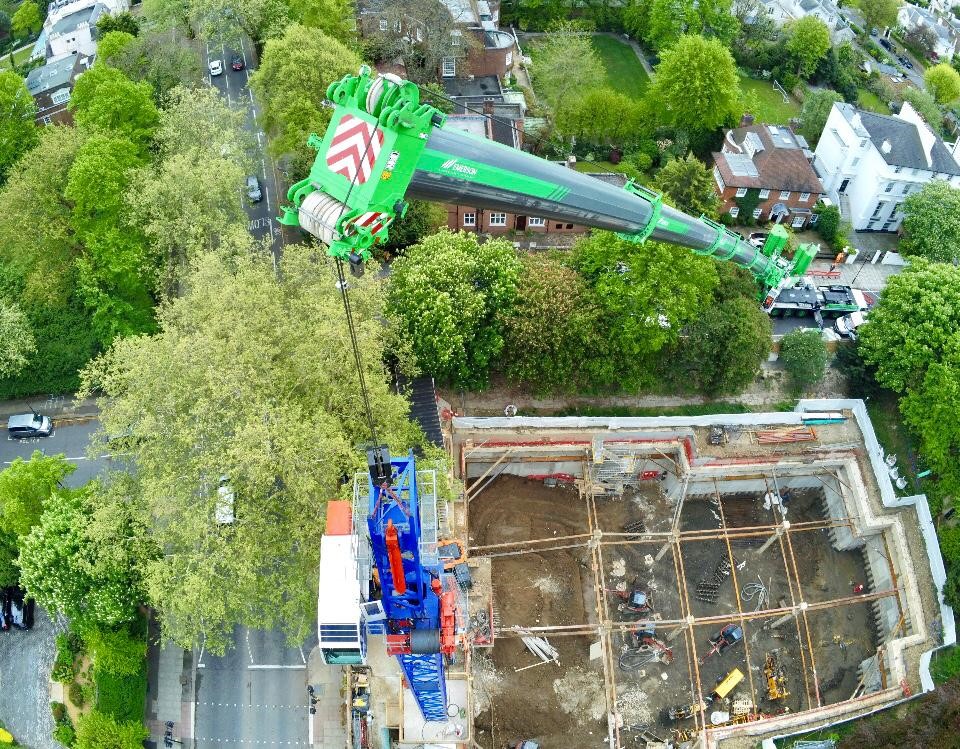
Residential construction projects, whether building a new home, renovating an existing one, or adding extensions, often require the lifting and moving of heavy materials. From steel beams to roofing materials and prefabricated panels, these tasks can be challenging without the right equipment. This is where crane hire for residential projects becomes essential.
Hiring a crane not only makes construction safer but also more efficient, saving time and effort for homeowners and contractors alike.
Why Residential Projects Require Cranes
Residential projects may seem smaller in scale compared to commercial construction, but the complexity and need for heavy lifting are just as important. Some key reasons cranes are needed in residential projects include:
-
Lifting Heavy Materials
Bricks, timber, concrete blocks, and steel beams are heavy and difficult to move manually. A crane can lift them easily to higher floors or awkward locations. -
Speeding Up Construction
Tasks that would take hours or even days manually can be completed in minutes with a crane, helping projects stay on schedule. -
Enhancing Safety
Manual lifting increases the risk of injury. Using a crane significantly reduces physical strain and improves site safety. -
Accessing Tight Spaces
Many residential plots have limited access. Mini cranes and compact cranes can operate in narrow streets and confined areas, making them ideal for urban residential projects.
Types of Cranes Suitable for Residential Projects
Not all cranes are suitable for residential work. The right choice depends on site access, project size, and the type of materials being lifted.
-
Mini Cranes
Ideal for small or restricted spaces, mini cranes are compact, lightweight, and easy to manoeuvre. They are perfect for lifting materials onto roofs, into gardens, or inside properties. -
Mobile Cranes
Mobile cranes are versatile and capable of handling heavier loads, making them suitable for larger residential builds such as multi-storey homes. -
Small Tower Cranes
In some cases, small tower cranes are used for multi-level residential buildings where materials need to be lifted repeatedly to higher floors.
Benefits of Hiring a Crane for Residential Projects
1. Cost-Effective Solution
Purchasing a crane is extremely expensive. Hiring a crane allows you to pay only for the duration of your project, making it a far more economical option.
2. Professional Operation
Reputable crane hire companies provide trained and certified operators. This removes the need for you to operate the equipment yourself or invest in training.
3. Reduced Project Delays
Heavy lifting delays can slow down construction. A crane ensures materials are delivered to the correct location quickly and efficiently, keeping your project on track.
4. Increased Safety on Site
Professional crane operators follow strict safety procedures. Proper crane usage reduces the risk of accidents, protecting workers, residents, and property.
5. Flexibility and Efficiency
Modern cranes are highly adaptable. With attachments such as hooks, grabs, and lifting platforms, they can handle a wide range of materials accurately and efficiently.

Factors to Consider Before Hiring a Crane
Before hiring a crane for a residential project, consider the following:
-
Project Scope
Identify what needs to be lifted, how heavy it is, and how high it must be moved. -
Site Access
Check whether the crane can access your property. Mini cranes are best for narrow streets and tight residential plots. -
Budget
Compare quotes from different companies. Be cautious of very low prices that may exclude operators or insurance. -
Hire Duration
Decide whether you need the crane for a few hours, days, or weeks. Long-term hire may offer better value. -
Safety Compliance
Ensure the crane hire company complies with local regulations and provides certified operators.
Tips for a Smooth Crane Hire Experience
-
Plan Ahead
Book your crane early, especially during busy construction periods. -
Coordinate Deliveries
Schedule material deliveries to coincide with crane availability to avoid downtime. -
Communicate Clearly
Make sure everyone on site understands the crane’s capabilities and limitations. -
Check Insurance
Always confirm that the hire company has valid insurance coverage for accidents or damage.
Crane Hire Cost Overview
The cost of crane hire for residential projects depends on several factors, including:
- Type of crane (mini, mobile, or tower)
- Duration of hire
- Operator fees
- Site accessibility
- Additional attachments required
Mini cranes are generally more affordable and well-suited to residential work, while larger mobile or tower cranes cost more but can handle heavier loads. Getting multiple quotes helps ensure the best value.
Conclusion
Crane hire is a practical and efficient solution for residential construction projects. From lifting heavy materials to improving safety and speeding up construction, cranes play a vital role in modern home building and renovation.
Choosing the right crane and hiring a professional operator ensures your residential project runs smoothly, safely, and on time. Whether you are building a new home, adding an extension, or carrying out a major renovation, crane hire is a smart investment.
Frequently Asked Questions (FAQ)
Q1: Do I need a crane for a small home renovation?
A: Not always. Minor renovations may not require a crane, but for lifting heavy materials such as steel beams or roofing panels, a mini crane is ideal.
Q2: How long can I hire a crane for?
A: Crane hire can range from a few hours to several months, depending on project requirements.
Q3: Are crane operators included in the hire?
A: Most professional crane hire companies provide certified operators as part of the service.
Q4: Can cranes fit into small residential plots?
A: Yes, mini cranes and compact mobile cranes are designed to operate in tight and restricted spaces.
Q5: How much does it cost to hire a crane?
A: Costs vary based on crane type, hire duration, and site conditions. Mini cranes are generally more affordable.
Q6: Is hiring a crane safer than manual lifting?
A: Yes, cranes significantly reduce the risk of injury and improve overall site safety.
Q7: How do I choose the right crane for my project?
A: Consider load weight, lifting height, site access, and budget. Crane hire experts can help you select the best option.